

Golden Age Comic Book Values: What Makes Them Worth So Much?
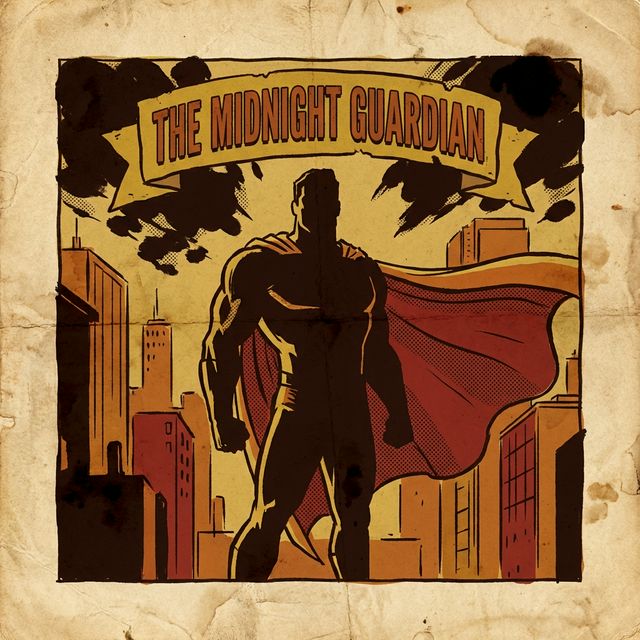
They are the artifacts of a lost era. Smelling of old paper and history, Golden Age comics (roughly 1938 to 1956) are the reason we have a hobby at all. This was the time when Superman, Batman, Wonder Woman, and Captain America were born.
But valuing a Golden Age comic is a completely different beast than valuing a modern book. You aren’t just looking at a colorful cover; you’re looking at a survivor of a world war, multiple paper drives, and nearly a century of decay.
In this guide, we’re going to break down the factors that determine Golden Age comic values and why they continue to set records year after year.
The Scarcity Reality
Unlike today, where people buy comics and put them directly into acid-free bags, nobody saved comics in the 1940s. They were read, traded, and eventually thrown away.
During World War II, paper was a critical resource. Millions of comic books were donated to paper drives to support the war effort. This “forced scarcity” is why high-grade Golden Age books are so exceptionally rare. For many key issues, there might only be 20 or 30 copies left in the world that are in decent shape.
Key Eras Within the Golden Age
Not all Golden Age is created equal. We generally break the era into three specific segments that collectors prioritize differently:
1. The Pre-War Era (1938-1941)
This is when the “Big Three” (Superman, Batman, Wonder Woman) debuted. These are the foundation of any serious collection. If you have a superhero book from this window, you are likely looking at a four, five, or six-figure asset, almost regardless of condition.
2. The War Years (1942-1945)
Comics became more patriotic. Cover art often featured heroes fighting axis powers. These are highly collectible not just as comics, but as historical propaganda. Captain America and Wonder Woman titles from this era are particularly hot right now.
3. The Post-War & Crime Era (1946-1956)
After the war, superhero popularity dipped. Publishers turned to horror, crime, and romance. This is when the infamous “Seduction of the Innocent” book was published, leading to the creation of the Comics Code Authority. Horror books from publishers like EC Comics are the “holy grails” of this sub-era.
Condition: The “Restoration” Trap
When dealing with Golden Age values, you have to be very careful with restoration.
Back in the day, collectors would sometimes “fix” their books by adding purple ink to cover spine stress, using glue to re-attach a cover, or even bleaching the pages to make them look whiter.
In the modern market, restored books sell for significantly less (often 30% to 50% less) than “universal” (unrestored) copies. Professional grading companies like CGC will issue a “Purple Label” for restored books, which is often viewed as a “scarlet letter” by high-end investors.
Essential Golden Age Keys
If you’re digging through an old collection, these are the “grand slams” of the Golden Age:
- Action Comics #1: First Superman (1938)
- Detective Comics #27: First Batman (1939)
- All Star Comics #8: First Wonder Woman (1941)
- Marvel Comics #1: First Human Torch and Namor (1939)
- Whiz Comics #2: First Captain Marvel / Shazam (1940)
How to Value Your Golden Age Finds
Because these books are so old, the “standard” price guides are often out of date before they are even printed. The market moves fast.
Using a tool like ComicValue is critical here because we look at the specific auction records for these high-end books. You can’t just guess a price. You need to know:
- Is the cover attached?
- Are the staples original?
- Are there “hidden” pieces of tape inside?
The Importance of Page Quality
In the Golden Age, we don’t just look at the cover. We look at the “Page Quality.” Grade descriptors like “Off-White to White” or “Cream to Off-White” can change the value of a book by hundreds or thousands of dollars. Brittle pages (which flake when you touch them) are a major red flag and significantly lower the value.
Conclusion
Golden Age comics are more than just collectibles; they are cultural history. While they represent the highest values in the market, they also require the most expertise to evaluate.
If you think you’ve found a Golden Age book, do not try to clean it yourself. Do not use tape. Do not use glue. Just put it in a safe place and get it checked by a professional or use a reliable data-driven app to see what similar copies are fetching at auction.
Inherited a box of truly old comics? Don’t let them sit and decay. Download ComicValue for iOS or Android and find out the historical value of your collection today.
Frequently Asked Questions
What is the Golden Age of comics?
The Golden Age of comics ran from 1938 to 1956, beginning with the debut of Superman in Action Comics #1. This era introduced Superman, Batman, Wonder Woman, Captain America, and the concept of the superhero.
Are Golden Age comics always valuable?
While generally more valuable than modern books due to extreme rarity, not all Golden Age comics are worth a lot. Superhero keys like Detective Comics #27 or All Star Comics #8 are highly sought after. Funny animal and romance comics from the era sell for much less.
How do I find the value of a Golden Age comic book?
Golden Age values move fast — price guides go out of date quickly. Check recent auction results from Heritage Auctions, ComicLink, and the ComicValue app, which aggregates real transaction data for these high-value books.
What does 'restored' mean for Golden Age comic values?
Restoration means the book was repaired — color touch, glue, tape, or bleached pages. Restored books sell for 30–50% less than 'Universal' (unrestored) copies. CGC issues a Purple Label for restored books, which serious investors treat as a major value reduction.
Has the value of Golden Age comics gone up in the last decade?
Yes. High-grade Golden Age superhero keys have shown consistent long-term appreciation over 10+ years, driven by growing cultural dominance of superhero IP and a shrinking supply of surviving high-grade copies.